









The truffle from the region
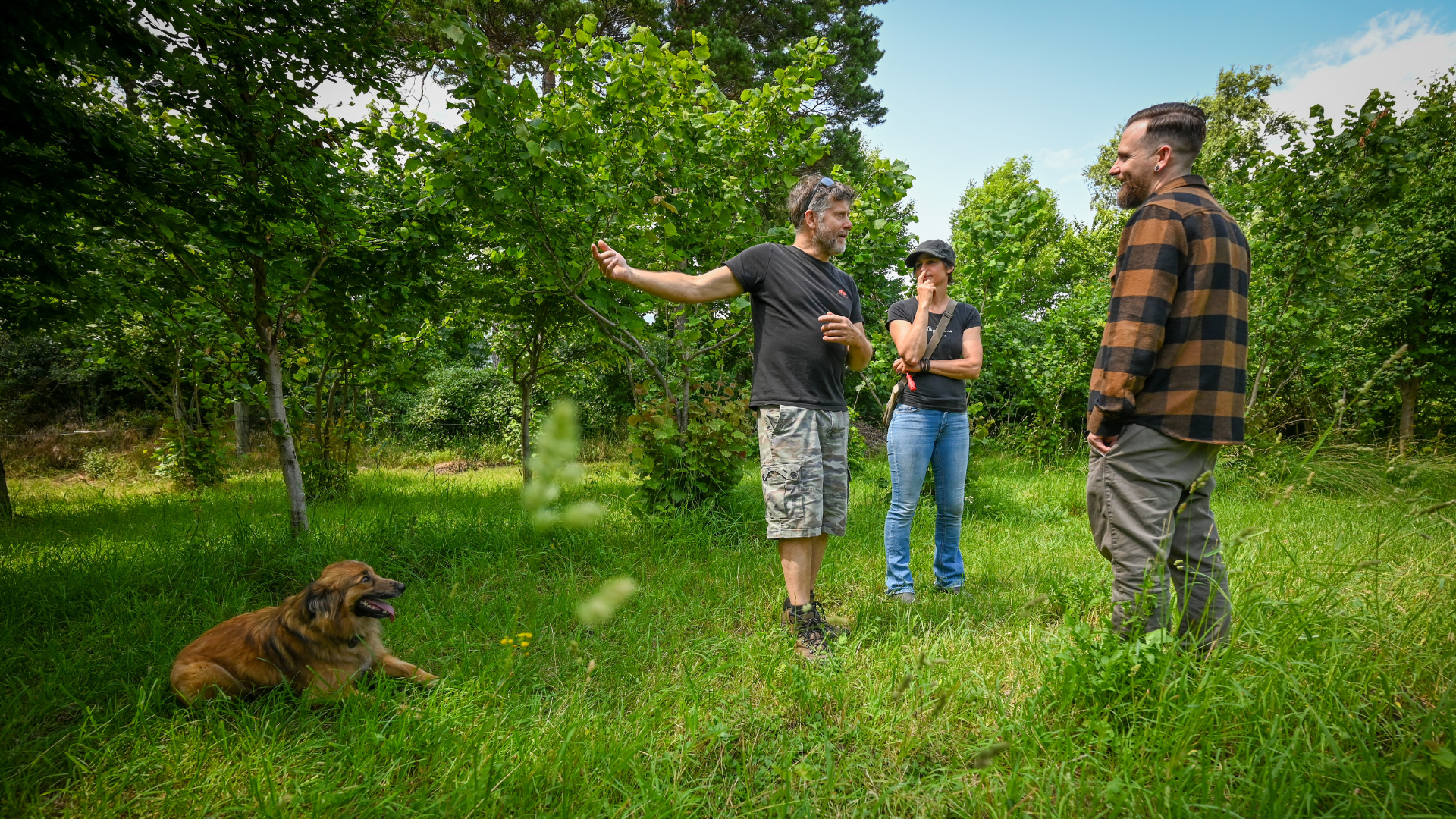
Where dairy cows and arable farming usually dominate, Andrina Bisaz and Urs Horni set up an unusual project on their farm in 2015: a truffle plantation. Inspired by an agronomy trainee and the ideal soil structure in the Rhine Valley, they ventured into the world of Burgundy truffles – a bold and innovative project in the Rhine Valley, right on the border with Graubünden.
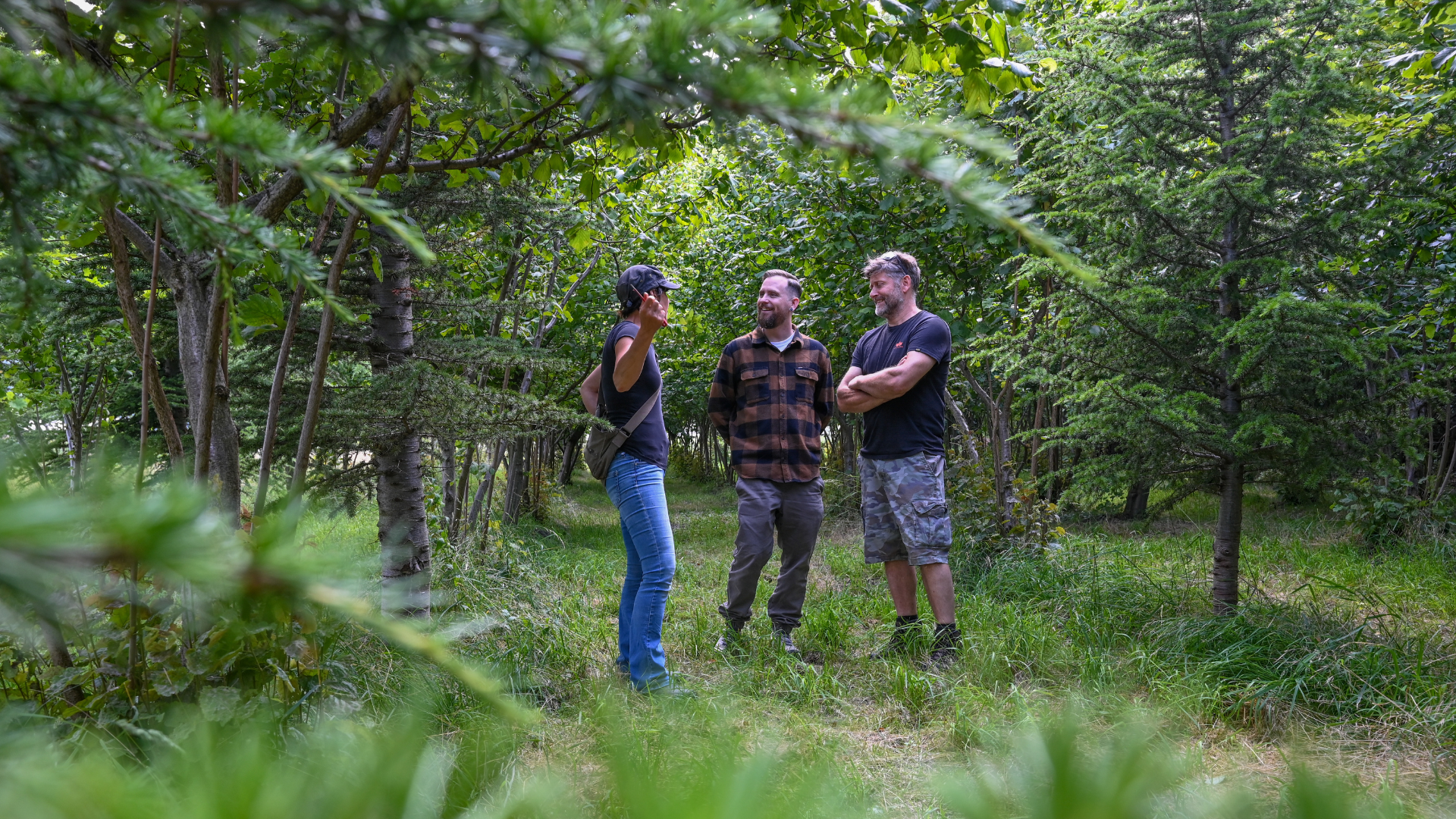
Around 600 tree seedlings inoculated with truffle spores were planted on around 45 areas of ecological compensation land, including oaks, beeches, lime trees, hazel bushes, larches and pines. The seedlings benefited from the alkaline-sandy nature of the soil in the Rhine Valley.
The intensive care during the first eight years was purely manual work: daily watering, protection from browsing by wild animals and weeds, without heavy equipment so as not to damage the sensitive roots. A sustainable culture without invasive interventions – biodiversity included: insects, birds and wild animals use the grove as a habitat, with the truffle as a welcome “by-product”.
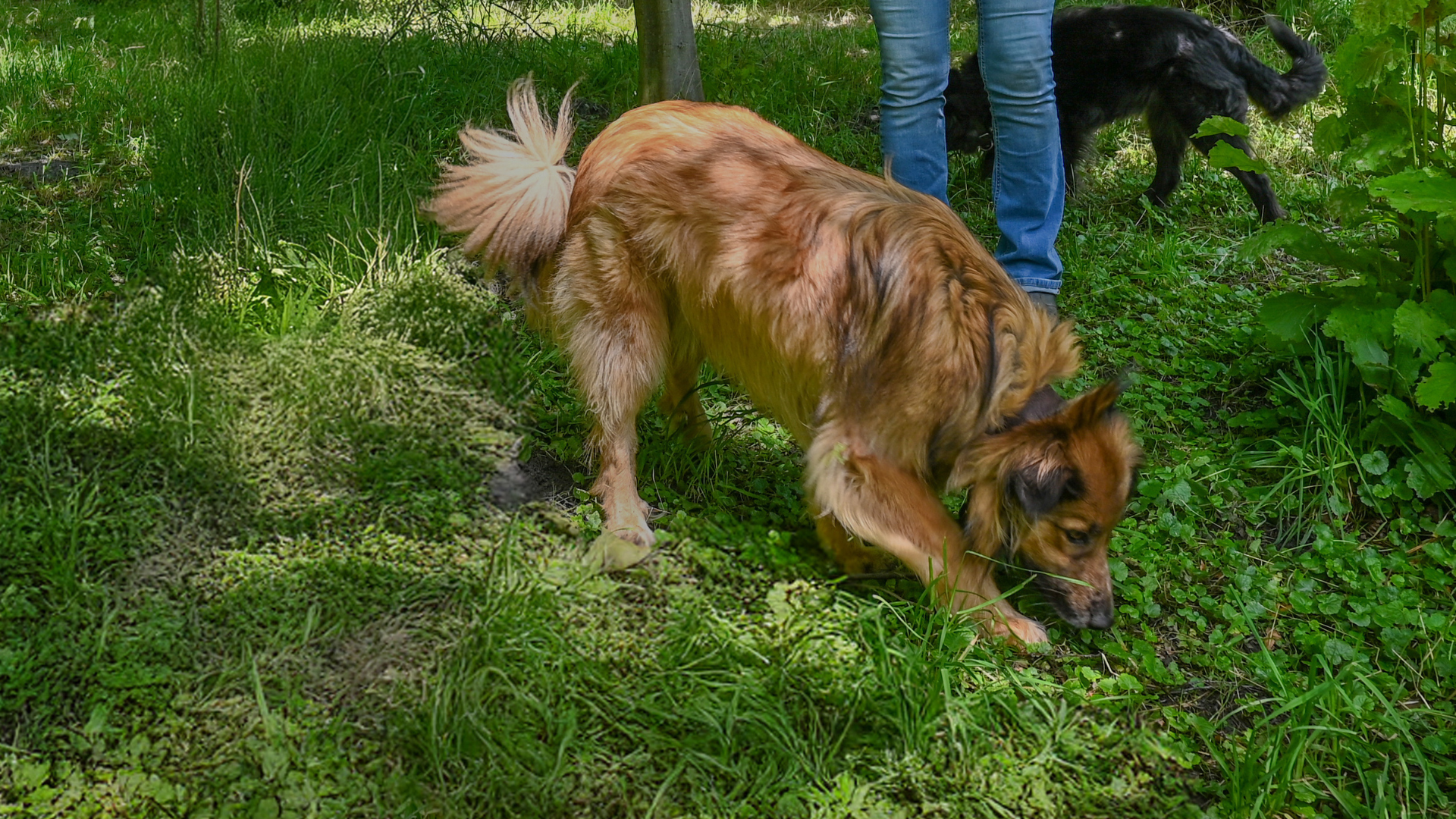
The first successful harvest came in 2022: after seven to eight years, the first tubers grew, located by the farm’s own dogs Indy and Taro, two motivated Pyrenean mountain dogs that round off the truffle hunting project. The first summer truffles came to light; in the meantime, the harvest is steadily increasing with various fluctuations – the full potential is expected in the next decade – but nobody will know.
Today, Bisaz and Horni market the Burgundy truffle regionally to upscale gastronomy, such as the regional hotel industry, restaurants and private gourmets – at a price per kilo of between CHF 800 and 1,000. The high demand confirms the quality – despite higher prices. “Our truffles are certainly good compared to what the food service industry imports. It’s mainly the freshness that makes the difference. There are differences in the truffles. Some have lighter flesh, like summer truffles, others have brown flesh, like Burgundy truffles. But they are the same type of truffle,” Andrina Bisaz and Urs Horni are quoted as saying.
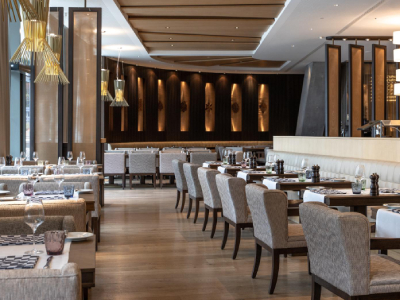
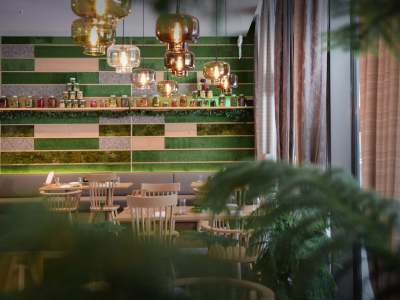
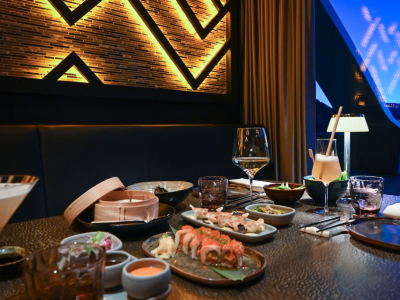
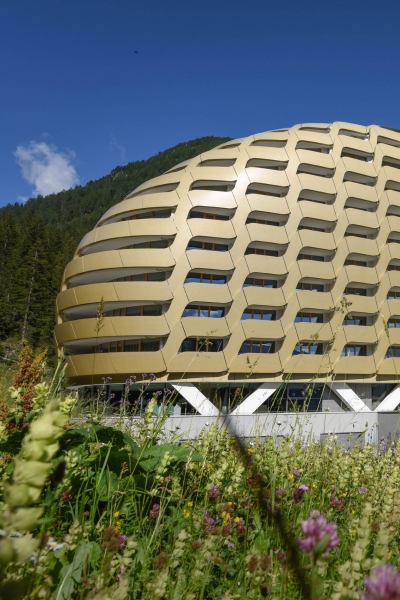
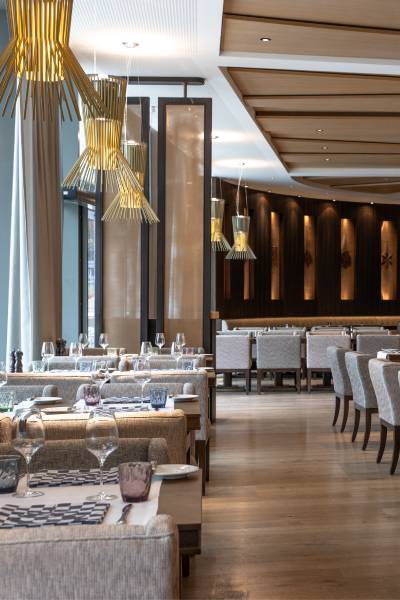
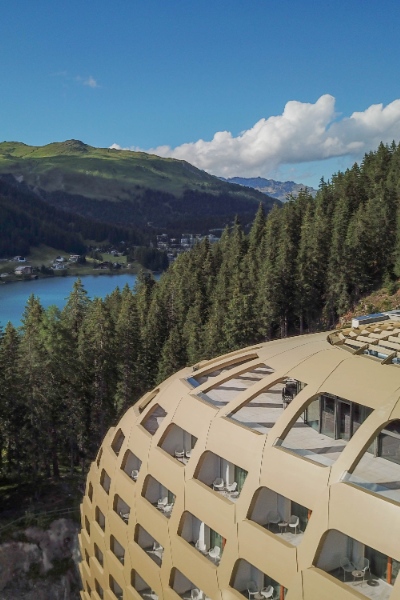
For atelier VERT, Manuel Zünd, Executive Chef of the AlpenGold Hotel in Davos, is always on the lookout for innovative products – and the stories behind them. New ideas, surprising combinations and creative interpretations of classic ingredients are the essence of the menu design at atelier VERT. This creates a double story for the guests: one about the product itself – and one about the way it is retold on the plate.
Andrina Bisaz and Urs Horni’s truffle project shows that courage, patience and a sustainable concept can lead to amazing results. The original dairy farm has become an exemplary biodiversity project that is both gastronomically and ecologically convincing. The Burgundy truffle from Bad Ragaz is more than just a delicacy: It is a symbol of pioneering spirit and innovative agriculture.